

As parents and educators, we often look for the "next big thing" in educational technology. However, the most profound learning often happens with the simplest tools. At Early Learning Centre, we believe that play isn't just a break from learning—it is the learning.
When a child sits down with a set of stacking pans or a simple wooden kitchen set, they aren't just "keeping busy." They are hard at work developing the foundational skills that will stay with them for a lifetime.
1. Building Fine Motor Skills
The image above shows a child carefully placing a lid on a pot. This might look simple, but it requires significant hand-eye coordination and dexterity.
- The Skill: Gripping handles, aligning edges, and stacking items.
- The Benefit: These movements strengthen the small muscles in the hands and wrists, preparing children for future tasks like writing, using cutlery, and fastening buttons.
2. Boosting Language & Communication
Role-play is one of the most effective ways to encourage speech. Whether they are "cooking" a pretend meal or hosting a tea party, children are constantly practicing new vocabulary.
- Descriptive Words: Using terms like hot, cold, heavy, light, empty, and full.
- Social Interaction: Narrating what they are doing ("I am making soup!") helps them organize their thoughts and share their ideas with others.
3. Encouraging Problem Solving
What happens when the lid doesn't fit? Or when the stack of pots gets too high and falls over? This is where cognitive development takes center stage.
- Trial and Error: Children learn to experiment with different sizes and shapes to see what works.
- Logical Thinking: They begin to understand cause and effect—realizing that certain actions lead to specific results.
"Play gives children a chance to practice what they are learning." — Fred Rogers
How to Support Play at Home
You don’t need a room full of gadgets to create a rich learning environment. Here are a few tips to get started:
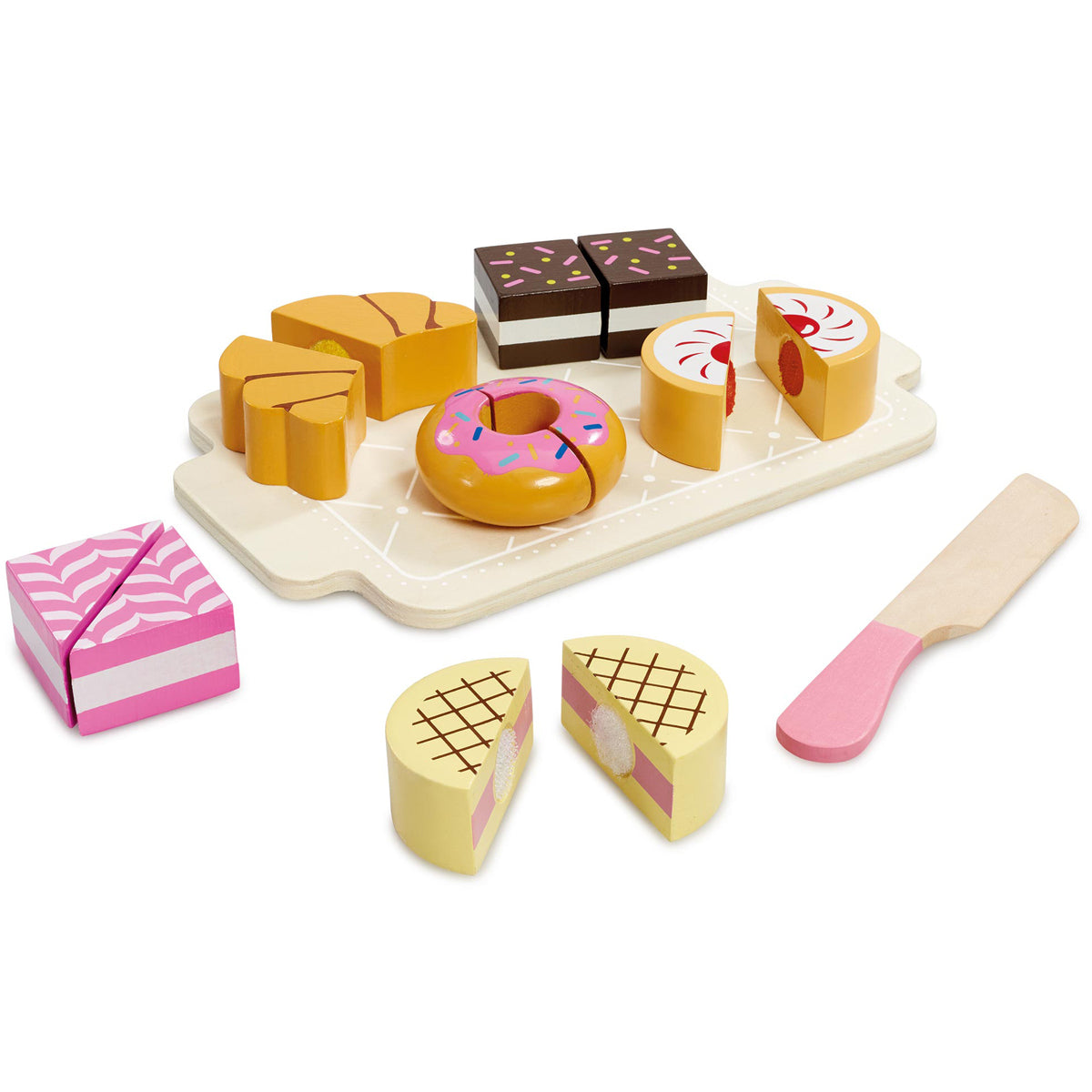
- Choose Open-Ended Toys: Look for items that can be used in multiple ways, like blocks, play food, or nesting cups.
- Follow Their Lead: Let your child decide what the "game" is. If the pots become hats or drums, go with it!
- Ask Open Questions: Instead of "What are you making?", try "Tell me about what’s happening in your kitchen."
Discover the ELC Difference
At Early Learning Centre, every toy we create is designed to help children explore their imaginations and reach their developmental milestones. From classic wooden toys to interactive playsets, we focus on quality, safety, and—most importantly—the joy of discovery.
